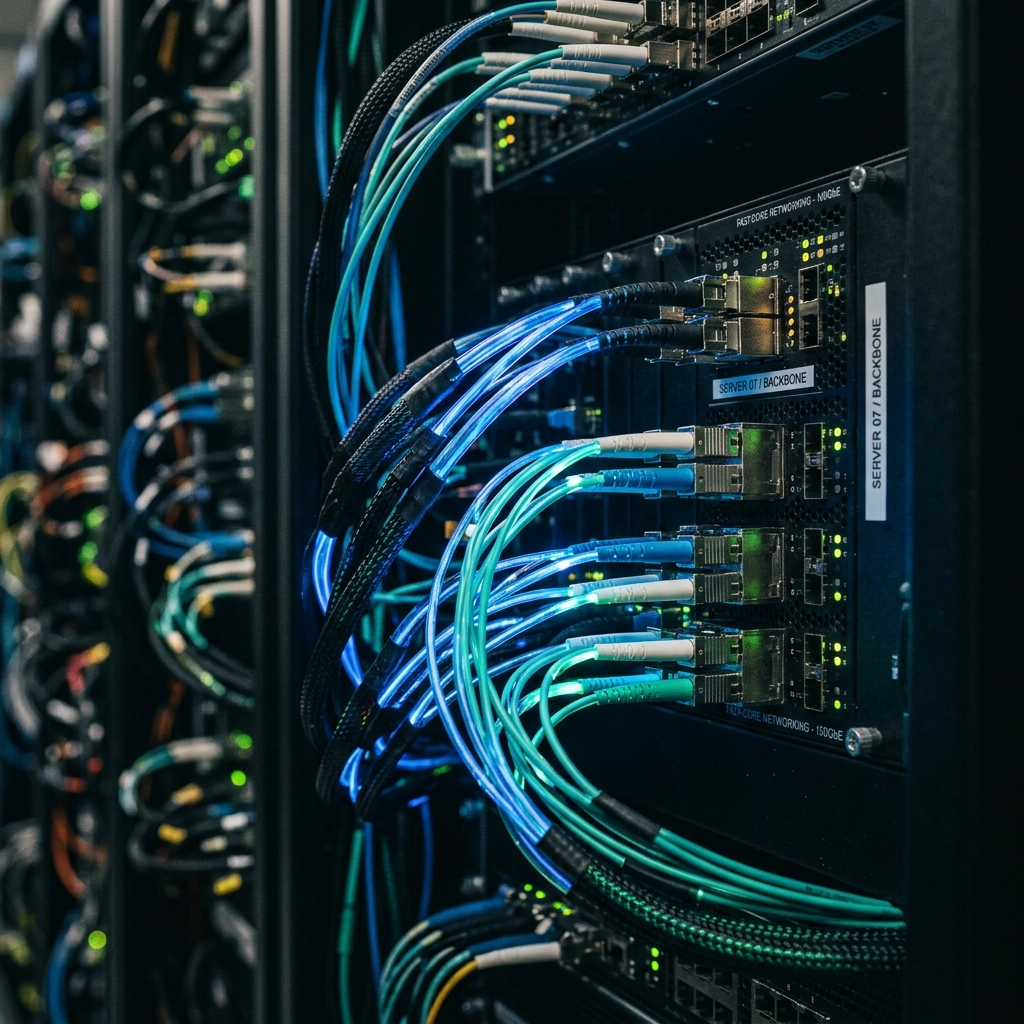
Why the Setup Changes Results
The OS question still matters because the trading stack is rarely only one process anymore. It is the terminal plus scripts, logs, watchdogs, APIs, and monitoring. I used to think Linux should win by default because it is cleaner and easier to automate. MT5 operations changed that view for me.
Windows 11 vs. Linux: Which OS is Best for Trading Terminals? matters because the market punishes lazy assumptions faster than it used to. In my experience, the traders who keep a real edge are the ones who accept that tools, infrastructure, and execution quality all have to cooperate.
That is why I focus on native software support, maintenance burden, automation flexibility, and process stability. The glamorous part of the stack gets attention, but the durable edge usually comes from the parts people find too operational to brag about.
The Cheap Hosting Myth
I used to think Linux should win by default because it is cleaner and easier to automate. MT5 operations changed that view for me. That mindset sounds harmless until it starts shaping real decisions, budgets, and deployment choices.
One thing I have learned the hard way is that markets do not reward elegant stories. They reward systems that survive friction, ambiguity, and operator fatigue. When a trader clings to the wrong belief, the problem spreads into everything else: testing, sizing, infrastructure, and review.
This is also where weaker blog content usually goes soft. I do not think that helps anyone. If the assumption is bad, it should be named directly before it gets expensive.
- Picking Linux to feel advanced.
- Ignoring maintenance burden.
- Running everything in one messy environment.
Operational Notes from Live Terminals
Linux is excellent for support services. Windows still wins when you need native broker terminal behavior without translation headaches.
What changed my opinion was not theory. It was watching the same idea behave one way in a controlled environment and another way under live pressure. That gap matters more than most retail traders want to admit.
I pay attention to boring evidence: session behavior, spread snapshots, delayed fills, review logs, and the moments when the operator overrides the system. Those details say more about real viability than a polished screenshot ever will.
The Terminal Stack I Trust
I treat Windows as the terminal host and Linux as a strong option for auxiliary services when the deployment model allows that split.
I prefer clean boundaries. Research should stay research. Execution should be deterministic. Monitoring should exist outside the terminal so it can still tell the truth when the terminal itself is unhealthy.
If the platform you depend on is native to Windows, stop pretending emulation pain is a mark of sophistication. Specific controls matter because they force the operator to define limits in a way the machine can actually enforce.
- Choose native support over purity arguments.
- Separate terminal hosting from support services where possible.
- Control updates aggressively.
Where Infrastructure Fails First
The wrong choice becomes obvious when the operator spends more time fighting compatibility than reviewing trades.
The pattern is usually the same. Everything looks stable while conditions stay friendly, then one stressed session reveals that the operator tested the idea in a world that was too clean. That is why event volatility, spread expansion, and process failure belong in the review loop from the start.
I take a harder line here than most marketing pages do. If a workflow cannot survive realistic friction, it is not ready. It might still be a useful idea, but it is not ready.
Signals Worth Monitoring
The numbers I would watch first are process stability, update predictability, automation effort, and operational overhead. If those are moving against you, the setup is already telling you something important.
This is where many traders miss the plot. They stare at win rate and ignore the operational variables that decide whether the edge is scalable or fragile. Win rate without context is almost decorative.
The review process should answer a simple question: did the system behave as designed under the exact conditions that triggered the trade? If you cannot answer that quickly, the analytics layer is too weak.
How I Would Roll It Out
I would not take a setup like this from notebook to live capital in one jump. First I would stage it in review mode, then in paper execution, then in a small live environment where bad behavior is visible but not catastrophic.
That staging process sounds slow, but it is cheaper than discovering structural problems after size has already increased. The point is not to prove the idea is perfect. The point is to find out where it bends before it snaps.
In practice, rollout discipline is one of the clearest differences between traders who last and traders who keep rebooting their stack every month. The market punishes impatience more aggressively than most people expect.
Operational Protection Rules
Whatever the topic, the capital rule stays the same: no setup deserves unlimited trust. That is why I tie deployment decisions back to hard limits, monitored conditions, and small reversible steps.
I would rather lose a little opportunity while a system proves itself than watch a pretty idea turn into preventable damage because the operator wanted certainty too early.
That sounds conservative, and it is. In trading infrastructure and automated strategy work, conservative beats dramatic more often than people admit in public.
- Stage new logic before increasing size.
- Keep live capital behind explicit risk limits.
- Treat reversibility as a design requirement, not a luxury.
What I Would Review After 30 Days
After the first 30 days, I would review this setup with less ego and more evidence. That means looking at where the workflow behaved exactly as expected, where it degraded quietly, and where the operator had to intervene because the system did not handle reality cleanly enough.
This review window matters because early success can be misleading. A strategy or infrastructure choice may look stable simply because market conditions were friendly. I want to know how it behaved across session changes, volatility shifts, execution friction, and the small process failures that never show up in glossy summaries.
If the first-month review cannot answer whether native software support, maintenance burden, automation flexibility, and process stability improved actual decision quality, then the implementation is still incomplete. Good systems get clearer after review. Weak systems get defended with stories.
Takeaway for Operators
For trading terminals, pragmatism beats ideology. Use the OS that reduces friction in the exact workload you run.
My position is straightforward: use the technology, respect the limits, and keep the controls visible. The market does not care whether your setup looked advanced on paper.
A serious trading site should say this plainly. Most real progress comes from removing weak assumptions, not from buying one more shiny tool.
Continue Reading