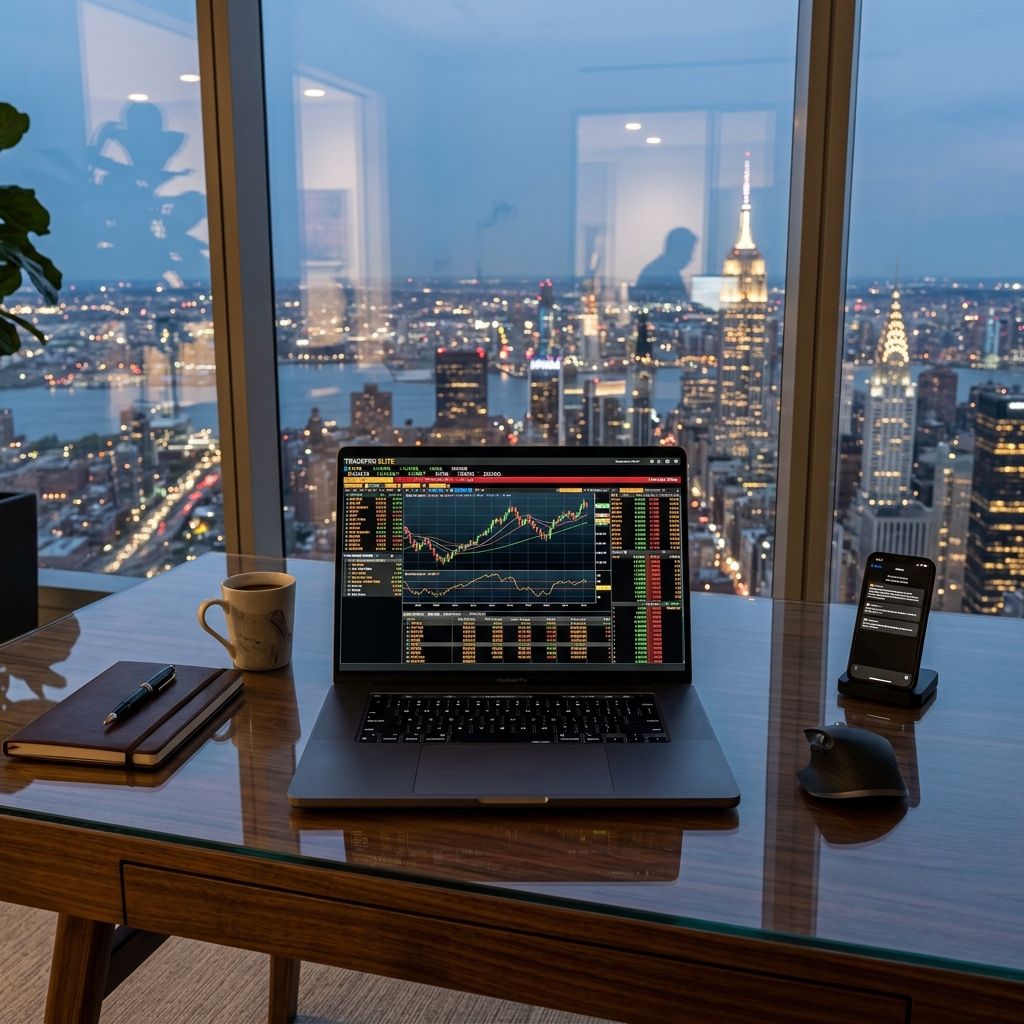
For a day trader, the workstation isn't just a place to execute trades; it's a command center where hours are spent in intense focus. Unlike a casual desk job, the demands of trading often involve prolonged periods of static posture, repetitive mouse movements, and sustained mental engagement. Ignoring ergonomics can lead to chronic pain, reduced focus, and ultimately, a detrimental impact on your trading performance and longevity. Investing in the right chair and desk isn't a luxury; it's an operational necessity.
The Foundation: Your Trading Chair
Forget the generic office chair. A serious day trader needs a chair designed for extended, focused use. The key isn't just comfort, but comprehensive adjustability and support.
Critical Chair Features
- Lumbar Support: This is paramount. Your chair must provide adjustable support for the natural curve of your lower spine. Look for chairs with an internal lumbar mechanism that you can raise, lower, and adjust the intensity of. A fixed, passive lumbar support is often inadequate.
- Seat Pan Adjustability: The seat depth should allow you to sit with your back against the backrest while leaving about two to four fingers' width between the edge of the seat and the back of your knees. This prevents pressure on your blood vessels and nerves. A 'waterfall' edge is also beneficial.
- Armrests: These should be height and pivot adjustable. The goal is to support your elbows at a 90-degree angle, allowing your forearms to rest parallel to the floor. This takes pressure off your shoulders and neck. If armrests get in the way of your desk, ensure they can be lowered or swung out.
- Backrest: Look for a backrest that can recline and lock in various positions, and ideally, one that offers a synchro-tilt mechanism where the seat and backrest move in conjunction to maintain an open hip angle.
- Material: Breathable materials like mesh or high-quality fabric are preferable over non-breathable leather for long sessions. High-density foam in the seat will maintain support longer than softer, cheaper alternatives.
- Base and Wheels: A sturdy five-point base is essential for stability. Smooth-rolling casters (wheels) are important for mobility, especially if you need to access different screens or equipment.
Trade-offs and Considerations
High-end ergonomic chairs (like those from Herman Miller, Steelcase, or Haworth) represent a significant investment, often ranging from $800 to $2,000+. However, they are built to last decades, offer superior adjustability, and often come with excellent warranties. Cheaper chairs often compromise on durability, the range of adjustability, or the quality of components. If your budget is constrained, prioritize lumbar support and seat depth adjustment. Always try to test a chair before buying, if possible, as individual body types vary significantly.
The Platform: Desk Height and Setup
Your desk is the other half of the ergonomic equation. Its height and the way your monitors are positioned are just as crucial as your chair.
Finding the Right Desk Height
The fundamental rule: when seated correctly in your ergonomic chair, your forearms should be parallel to the floor, and your elbows should be at a 90-degree angle while typing. Your feet should be flat on the floor or supported by a footrest. Your desk height should accommodate this posture. For most people, standard fixed-height desks (around 29-30 inches) can work, but they lack flexibility.
The Rise of Adjustable Desks (Standing Desks)
Adjustable height desks are rapidly becoming a standard for serious professionals, including traders. They offer the flexibility to switch between sitting and standing postures throughout the day.
Benefits of Alternating Positions
- Reduces Sedentary Time: Prolonged sitting is linked to numerous health issues. Alternating standing can mitigate these risks.
- Improved Circulation: Standing helps blood flow, which can reduce fatigue and discomfort.
- Enhanced Alertness: Changing positions can combat the sluggishness that sometimes sets in after hours of sitting, potentially keeping your mind sharper during volatile market periods.
- Pain Reduction: For many, regularly switching positions can significantly reduce back and neck pain.
Features to Look for in an Adjustable Desk
- Stability: This is non-negotiable. A wobbly desk, especially when standing, is distracting and frustrating. Look for desks with robust frames and dual motors for better stability and lifting capacity.
- Motor Quality: Quiet, smooth, and reliable motors are essential. Memory presets are a huge convenience, allowing you to switch between your preferred sitting and standing heights with a single button press.
- Height Range: Ensure the desk can go low enough for comfortable sitting and high enough for comfortable standing, especially if you are taller or shorter than average.
- Cable Management: Consider desks with integrated cable trays or add-ons to keep your multi-monitor setup tidy and safe.
Operational Considerations for Standing Desks
Don't just stand all day. The goal is alternation. A good routine might involve sitting for 30-45 minutes, then standing for 15-30 minutes. An anti-fatigue mat is essential if you plan to stand for any significant duration, as it dramatically reduces strain on your feet and legs.
Monitor Placement and Peripherals
Even with the perfect chair and desk, poor monitor placement can ruin your setup. The top of your primary monitor should be roughly at eye level, and all monitors should be an arm's length away. Use monitor arms to easily adjust height, depth, and angle. For peripherals, consider an ergonomic keyboard and a vertical mouse if you experience wrist discomfort. Wrist rests should be used primarily to rest between typing, not to type on.
Putting It All Together: A Holistic Approach
Ergonomics isn't about individual pieces of equipment; it's about how they work together. Start by adjusting your chair, then your desk height, and finally your monitors. Regularly take micro-breaks - stand up, stretch, walk away from your screens for a few minutes every hour. Listen to your body; pain is a signal that something needs adjustment in your setup or routine.
Investing in proper ergonomic equipment for your trading station is not merely a comfort upgrade; it's a strategic decision. It protects your health, enhances your focus, and ultimately contributes to your longevity and success as a day trader. Treat your body as seriously as you treat your trading capital - it's your most valuable asset.
Continue Reading